From Independent to Assisted Living: How to Discover the Right Level of Elderly Care
Business Name: BeeHive Homes of Lamesa TX
Address: 101 N 27th St, Lamesa, TX 79331
Phone: (806) 452-5883
BeeHive Homes of Lamesa
Beehive Homes of Lamesa TX assisted living care is ideal for those who value their independence but require help with some of the activities of daily living. Residents enjoy 24-hour support, private bedrooms with baths, medication monitoring, home-cooked meals, housekeeping and laundry services, social activities and outings, and daily physical and mental exercise opportunities. Beehive Homes memory care services accommodates the growing number of seniors affected by memory loss and dementia. Beehive Homes offers respite (short-term) care for your loved one should the need arise. Whether help is needed after a surgery or illness, for vacation coverage, or just a break from the routine, respite care provides you peace of mind for any length of stay.
101 N 27th St, Lamesa, TX 79331
Business Hours
Families hardly ever take a seat one day and say, "It is time for assisted living." What really occurs is slower and more complicated. A missed medication here, a small kitchen area fire there, a number of stressing falls that "weren't a big offer." Adult kids begin comparing notes after holidays. A partner silently compensates until fatigue sets in.
Choosing the right level of elderly care is less about labels and more about honest, detailed observation of daily life. Terms like independent living, assisted living, respite care, and competent nursing can sound cool on a brochure, but real people never ever fit completely into neat boxes. That is where judgment, perseverance, and great questions matter.
I have actually beinged in living rooms with adult kids who were sure they were "just looking" at alternatives and 6 weeks later on remained in crisis mode because of a serious fall. I have actually likewise met many older grownups who prospered for several years longer than anybody anticipated since the family picked the least limiting level of senior care that still kept them safe. The art remains in discovering that balance.
This guide strolls through how to think of levels of care, what to expect in the house, and how to move from independent to assisted living in a way that appreciates both safety and dignity.
How levels of elderly care fit together
Before entering into evaluations and warning signs, it helps to see the big image. Elderly care in the majority of communities falls along a continuum, from very little assistance to intensive medical care.
A quick picture of typical care levels:
- Independent living: Private homes or homes with optional services like meals, housekeeping, and social activities, but no hands-on care.
- Assisted living: Housing plus assist with day-to-day activities such as bathing, dressing, and medications. Staff on website 24/7, but limited medical care.
- Memory care: A protected environment with staff trained for dementia and Alzheimer's, typically part of an assisted living or proficient nursing campus.
- Skilled nursing (nursing home): The highest level of continuous medical and individual care outside a hospital, with nurses offered around the clock.
Respite care can exist at numerous of these levels. It merely indicates short-term care, typically used to give a family caretaker a break, or to recuperate after a medical facility stay before returning home.
Real lives frequently return and forth on this continuum. An individual may live individually, break a hip, spend short-term rehabilitation in a proficient nursing center, then move into assisted living, and occasionally utilize respite care after a health problem. Believing in regards to versatility, not one final decision, makes the process less overwhelming.
Start with the day, not the diagnosis
Families typically frame the question around medical conditions. "My father has diabetes and moderate heart problem, so he should need X." That technique can mislead you. Two individuals with the same diagnosis may function at extremely various levels.
Instead of starting with the medical chart, begin with the common day. If you shadowed your parent or partner for 24 hours, where would you see threat, stress, or confusion?
Good senior care choices originate from extremely in-depth, very practical concerns. For example:
Does the person remember to take medications on time without reminders?
When they shower, can they safely get in and out, clean thoroughly, and dry off without losing balance? If the smoke alarm went off at 2 a.m., would they know what to do and have the ability to do it? Can they handle their own mail, expenses, and standard money decisions without someone catching errors?These type of concerns inform you more about the right level of care than a diagnosis alone. An individual with several health conditions may still live rather individually with a little help, while somebody with early dementia may require monitored support much earlier than the family expects.
An easy framework for examining needs
Professionals often speak about ADLs and IADLs. These medical acronyms actually explain the backbone of everyday life.
Activities of day-to-day living (ADLs) include bathing, dressing, grooming, toileting, eating, and movement or transferring (for example, getting in and out of a chair or bed). When somebody begins to require hands-on help with several ADLs, assisted living or in-home aides typically go into the picture.
Instrumental activities of daily living (IADLs) are the complex tasks that keep a family and life running. Cooking, cleaning, doing laundry, managing medications, shopping, utilizing transport, and dealing with finances fall into this group. Struggles here are frequently the first noticeable indications that an older adult is not completely independent anymore.
I motivate families to think in three layers:
First, what is the person doing securely and dependably on their own, every day, without suggestions or guidance?
Second, what are they technically doing alone but only because someone is compensating behind the scenes, such as pre-filling tablet boxes, managing all the driving, or silently footing the bill?
Third, what are they not doing at all, or plainly performing in a risky method: skipping showers for fear of falling, leaving burners on, or losing track of time outside the house?
Once you have that picture, you can match it to the environment most suited to those needs, rather than beginning with what is available in your location and trying to force a fit.
When independent living still works
Independent living is created for older grownups who are basically self-dependent but desire neighborhood, benefit, or a "soft landing" from home maintenance. Think of it as house living for elders, with security features and services nearby.
For the right person, independent living can delay or even prevent a transfer to assisted living. I have actually seen people bloom when respite care near me they no longer required to fret about cooking for one or shoveling snow, and that extra energy translated into much better health habits.
Independent living is frequently a great fit when:
The person manages their own medications properly, or only needs light support such as a weekly pillbox setup.
They move safely with or without a walker, have very infrequent falls, and understand when to utilize emergency call systems. Memory is mainly intact. Periodic lapse of memory does not interfere with security or finances. They can browse basic technology like a phone and television remote, and call for help when needed.The danger with independent living is presuming that personnel will "watch on things." Many independent living neighborhoods are legally restricted in what they can do in regards to hands-on care. If your relative starts avoiding meals, gets lost in the corridors, or stops participating in activities, the community may inform you, but they will not immediately step in the method an assisted living group would.
Families need to have a clear, early contract with the resident and the neighborhood about triggers for reassessment. For example, two or more falls in 3 months, obvious weight-loss, or consistent missed out on medications might trigger a formal evaluation for assisted living.
What assisted living actually offers (and what it does not)
Assisted living typically sits in the gray location between independent living and nursing home care. It is likewise where I see one of the most confusion and mismatched expectations.
In a well run assisted living neighborhood, locals still have a significant degree of autonomy. They lock their own doors, furnish their own homes, and choose how to spend most of their day. The crucial difference is that staff assist with ADLs and monitor health related routines.
Typical services consist of help with bathing and dressing, pointers or administration of medications, escorts to meals if walking is hard, and tracking of fundamental health signs such as weight, hunger, and habits changes.

Families often overestimate the medical aspect. Assisted living is not an alternative to a nursing home in complex medical circumstances. Staff might manage easy wound care, screen high blood pressure, or help a person with diabetes, however they are not equipped for ventilators, advanced pressure ulcers, or unpredictable medical crises that require consistent nursing oversight.
The sweet spot for assisted living normally appears like this:
The individual needs hands-on help with several ADLs. Maybe they can no longer shower securely alone, or they deal with managing numerous medications accurately.
Cognitive modifications are present but not so severe that the person wanders often or becomes a clear risk to others. Chronic health conditions are mostly stable under doctor supervision, with foreseeable routines that trained caregivers can help bring out. The person take advantage of built in social contact and structure, such as dining with others and taking part in prepared activities.When relative are burning out from "drive by" caregiving several times a day, assisted living frequently restores balance. Rather of handling medication reminders, incontinence care, and night time calls, relatives can step back into a more relational role and let the neighborhood deal with the physical care routines.
Memory care and cognitive safety
Cognitive decline changes the formula in subtle methods. An individual may still stroll well and handle fundamental self care, yet be unsafe in your home since of bad judgment, disorientation, or unforeseeable behavior.
Common indications that memory care, or a minimum of structured monitored living, ought to be on the table consist of:
Leaving home and getting lost in familiar neighborhoods.
Ending up being suspicious or paranoid about caregivers or neighbors. Risky usage of devices, such as putting metal in the microwave or forgetting food on the stove. Sundowning, with agitation or confusion magnifying in the late afternoon and evening.Memory care systems inside assisted living or nursing homes are typically secured and have staff trained specifically in dementia care. Activities are customized to shorter attention periods. Visual cues and simple layouts assist citizens browse. The objective is not simply security, however likewise preservation of staying abilities and reduction of upsetting behaviors.
It can be challenging for families to accept the requirement for a locked unit. Many feel it is "too limiting." The question I ask is whether the existing setting enables the person to be as safe and calm as possible. If a spouse spends every night chasing their partner down the street because they strayed in pajamas, a protected environment can in fact restore more self-respect to both people.
Skilled nursing and when it ends up being necessary
Skilled nursing facilities, often called nursing homes, are the most intensive form of senior care in a non hospital setting. Individuals sometimes fear this level, seeing it as a last hope. Yet for some, it is simply the appropriate reaction to complex medical and personal care needs.
Skilled nursing makes good sense when:
There are frequent or unpredictable medical problems that need close tracking by nurses, such as intricate injury care, IV medications, or oxygen that can not be securely managed in assisted living.
The person is totally or mainly dependent for transfers, toileting, and feeding, particularly if they are heavy or not able to help caretakers, which increases the danger of injury to household or assisted living staff. There are serious swallowing problems, regular aspiration pneumonia, or the requirement for feeding tubes. Behavioral signs of dementia are dangerous and can not be handled securely in a lower skill setting.A useful psychological filter is this: if you would not feel comfortable leaving this person for eight hours in the care of a newly trained caretaker without direct nurse guidance, experienced nursing may be more appropriate than assisted living.
Where respite care fits into the picture
Respite care frequently does not get sufficient attention, yet it is one of the most important tools in senior care preparation. It just suggests short term, short-lived care that offers the main caretaker a break.
Respite can occur in numerous settings:
A few days or weeks in an assisted living neighborhood, utilizing a furnished house and temporary care plan.
Short-term admission to a knowledgeable nursing center for rehab or healing after disease, typically with Medicare or other insurance coverage coverage. In home assistants who come for a set variety of hours weekly so a spouse or adult child can rest or deal with other responsibilities.Using respite care early typically assists families postpone irreversible positioning. A spouse who knows they will get a full week of rest every few months is normally more able to sustain caregiving in your home the remainder of the time. It likewise provides both caretaker and care recipient an opportunity to "evaluate drive" a neighborhood setting without dedicating to a full move.
I have actually seen numerous successful transitions where the first experience with assisted living was in fact a respite stay. Familiar faces, routines, and a recognized structure made the ultimate long-term move feel less like a disruption and more like going back to a recognized safe place.
Balancing safety, independence, and identity
Every decision about moving from independent to assisted living, or beyond, sits on a 3 legged stool: safety, independence, and identity. If you focus solely on safety, you run the risk of stripping away autonomy and developing resentment. If you focus just on self-reliance, you may ignore dangers that can cause disastrous outcomes.
The trick is to ask, "What is the least restrictive environment that still keeps this person reasonably safe?" That phrase, reasonably safe, is very important. No setting can remove all danger, and attempting to do so typically results in overprotection that wears down quality of life.
Respecting identity means taking notice of what offers the person a sense of self. A retired engineer might feel at home in a neighborhood with woodworking or tinkering spaces. A person of strong faith may prioritize a location with routine spiritual services. Someone who has always treasured personal privacy might prefer a smaller assisted living over a large campus with busy common areas.
I frequently recommend households include the older grownup in visits to numerous communities, even if cognitive decline exists, and see their reactions. Do they light up during a music program? Do they appear overwhelmed by sound? Do they linger by the garden or the library? These small ideas assist match personality to environment, not just care needs to services.
Money, timing, and what families wish they had actually known earlier
Financial realities shape choices. Assisted living costs can vary commonly depending on place, from modest month-to-month costs in some areas to luxury-level rates in others. Knowledgeable nursing is normally more costly, however may have more protection options through Medicare or long term care insurance coverage, specifically for post intense stays.
A couple of patterns turn up consistently in family conversations:
People often underestimate the length of time they will require support. Planning as if care will last at least three to 5 years, and perhaps longer, makes for more reasonable budgeting.
Adult kids in some cases presume their parent will "never ever move" or "decline care," just to discover that honest, early discussions lower resistance. Numerous families wait on a crisis before exploring communities. Visiting when you are not in crisis allows you to compare choices in a calmer method, without a healthcare facility discharge planner prompting a same day decision.If you can, talk with a trusted elder law attorney or monetary coordinator who comprehends senior care. Understanding what properties are protected, how Medicaid guidelines work in your state, and whether any long term care policies apply takes a few of the fear out of decision making.
Talking about the transition without breaking trust
The psychological side of moving from independent to assisted living is normally more difficult than the logistics. Losing a home, or perhaps just acknowledging that assistance is needed, can feel like a loss of control.
A few principles assist those conversations go much better:
Start early, when the relocation is still hypothetical. It is simpler to go over "sooner or later, if you ever need more assistance" than "you should move next month." Early talks develop a shared language for later decisions.
Describe your observations, not decisions. "I have discovered three falls this year, and I am fretted about you being alone in the evening" opens space for discussion. "You can not live alone anymore" corners the other person. Deal choices where you can. Even if remaining fully independent is no longer safe, you might be able to offer choices between two communities, or between a studio and a one bedroom, or in between moving in spring or fall. Well framed choices preserve agency. Be sincere about your own limitations. Spouses and adult kids often assure "I will never ever put you in a home" since it feels caring. When reality makes that guarantee impossible to keep, guilt and bitterness thrive. It is more truthful and kinder to say, "I will always make sure you are cared for, even if at some time I can refrain from doing all the care myself."I have seldom seen a family remorse being sincere about burnout. I have actually typically seen caregivers wind up in the health center due to the fact that they waited too long to look for more structured support.
What to look for when you tour senior care communities
Once you have a sense of the best level of elderly care, the concern ends up being which particular community or agency to pick. Sales brochures and websites are developed to look remarkable. The real story lies in the information you observe during a visit.
Consider these concerns when you tour:
- How do staff speak to locals: by name, at eye level, and with perseverance, or as tasks to be completed?
- Do common areas look utilized and comfortable, or staged and empty?
- Are there homeowners with needs comparable to your relative, and do they seem engaged and fairly content?
- What is the personnel turnover rate, particularly amongst aides and nurses, over the last year?
- How does the community deal with changes in condition, such as more regular falls or brand-new habits associated with dementia?
If possible, visit unannounced throughout a meal time. See how long citizens wait for support. Listen to the tone in the dining room. Smell matters too; occasional smells in healthcare settings are unavoidable, however strong, consistent smells of urine or cleaning chemicals mean persistent issues.
Ask to see an example care prepare for an imaginary resident with requirements comparable to your loved one. The level of information, and how personalized it seems, will tell you a lot about their approach to elderly care.
Using respite and progressive actions to relieve the move
For many older grownups, the first step away from living totally independently does not need to be an irreversible move. A home care aide a few times a week, adult day programs, or brief respite stays can produce a bridge.
For example, a widowed gentleman who has actually stopped cooking might start with day-to-day provided meals and a weekly housekeeping service. When movement declines, he may add an early morning caretaker to aid with bathing and dressing, while staying in his apartment. Eventually, when nighttime roaming starts, a respite remain in assisted living can let everybody test whether that environment feels right, before any long term commitment.
These gradual steps decrease the feeling of being "sent out away." They likewise offer families a chance to change their expectations. It is common for relatives to picture that assisted living will immediately resolve all problems, from isolation to persistent pain. In truth, it is one tool amongst numerous. Discomfort needs medical attention, sorrow needs time and perhaps therapy, and solitude frequently needs active support to take part in community life.

When a relocation does occur, try to bring components of home: familiar pictures, a favorite chair, a quilt, or a preferred mug. These small anchors soften the shock and signal that the person is more than a room number in a senior care facility.
When you are still unsure
Even with mindful assessments and neighborhood visits, there are constantly gray areas. An individual may be borderline between independent and assisted living, or between assisted living and knowledgeable nursing. In those situations, it helps to ask yourself 3 questions.
If nothing changed and we did nothing for the next 6 months, what is the most likely outcome?
If we are wrong and select a lower level of care than needed, what are the most significant risks, and are we willing to accept them? If we are incorrect and select a greater level of care than required, what would the individual lose in terms of independence and identity, and can we reduce those losses?There is hardly ever a best, risk complimentary option. However clear thinking of trade offs causes decisions that many families can deal with, even if the roadway is bumpy.
The move from independent to assisted living, or to any new level of care, is eventually about preserving as much life as possible inside altering limitations. When you concentrate on concrete daily realities, regard the individual's identity, and utilize respite care and other assistances wisely, you can navigate that shift with more self-confidence, and with less regret.
BeeHive Homes of Lamesa TX provides assisted living care
BeeHive Homes of Lamesa TX provides memory care services
BeeHive Homes of Lamesa TX provides respite care services
BeeHive Homes of Lamesa TX supports assistance with bathing and grooming
BeeHive Homes of Lamesa TX offers private bedrooms with private bathrooms
BeeHive Homes of Lamesa TX provides medication monitoring and documentation
BeeHive Homes of Lamesa TX serves dietitian-approved meals
BeeHive Homes of Lamesa TX provides housekeeping services
BeeHive Homes of Lamesa TX provides laundry services
BeeHive Homes of Lamesa TX offers community dining and social engagement activities
BeeHive Homes of Lamesa TX features life enrichment activities
BeeHive Homes of Lamesa TX supports personal care assistance during meals and daily routines
BeeHive Homes of Lamesa TX promotes frequent physical and mental exercise opportunities
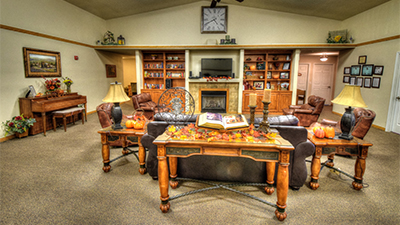
BeeHive Homes of Lamesa TX provides a home-like residential environment
BeeHive Homes of Lamesa TX creates customized care plans as residents’ needs change
BeeHive Homes of Lamesa TX assesses individual resident care needs
BeeHive Homes of Lamesa TX accepts private pay and long-term care insurance
BeeHive Homes of Lamesa TX assists qualified veterans with Aid and Attendance benefits
BeeHive Homes of Lamesa TX encourages meaningful resident-to-staff relationships
BeeHive Homes of Lamesa TX delivers compassionate, attentive senior care focused on dignity and comfort
BeeHive Homes of Lamesa TX has a phone number of (806) 452-5883
BeeHive Homes of Lamesa TX has an address of 101 N 27th St, Lamesa, TX 79331
BeeHive Homes of Lamesa TX has a website https://beehivehomes.com/locations/lamesa/
BeeHive Homes of Lamesa TX has Google Maps listing https://maps.app.goo.gl/ta6AThYBMuuujtqr7
BeeHive Homes of Lamesa TX has Facebook page https://www.facebook.com/BeeHiveHomesLamesa
BeeHive Homes of Lamesa has an YouTube page https://www.youtube.com/@WelcomeHomeBeeHiveHomes
BeeHive Homes of Lamesa TX won Top Assisted Living Homes 2025
BeeHive Homes of Lamesa TX earned Best Customer Service Award 2024
BeeHive Homes of Lamesa TX placed 1st for Senior Living Communities 2025
People Also Ask about BeeHive Homes of Lamesa TX
What is BeeHive Homes of Lamesa Living monthly room rate?
The rate depends on the level of care that is needed. We do an initial evaluation for each potential resident to determine the level of care needed. The monthly rate is based on this evaluation. There are no hidden costs or fees
Can residents stay in BeeHive Homes until the end of their life?
Usually yes. There are exceptions, such as when there are safety issues with the resident, or they need 24 hour skilled nursing services
Do we have a nurse on staff?
No, but each BeeHive Home has a consulting Nurse available 24 – 7. if nursing services are needed, a doctor can order home health to come into the home
What are BeeHive Homes’ visiting hours?
Visiting hours are adjusted to accommodate the families and the resident’s needs… just not too early or too late
Do we have couple’s rooms available?
Yes, each home has rooms designed to accommodate couples. Please ask about the availability of these rooms
Where is BeeHive Homes of Lamesa TX located?
BeeHive Homes of Lamesa is conveniently located at 101 N 27th St, Lamesa, TX 79331. You can easily find directions on Google Maps or call at (806) 452-5883 Monday through Sunday 9:00am to 5:00pm
How can I contact BeeHive Homes of Lamesa TX?
You can contact BeeHive Homes of Lamesa by phone at: (806) 452-5883, visit their website at https://beehivehomes.com/locations/lamesa/, or connect on social media via Facebook or YouTube
Pedroza's Restaurant offers casual dining in a welcoming setting ideal for assisted living, memory care, senior care, elderly care, and respite care visits.